
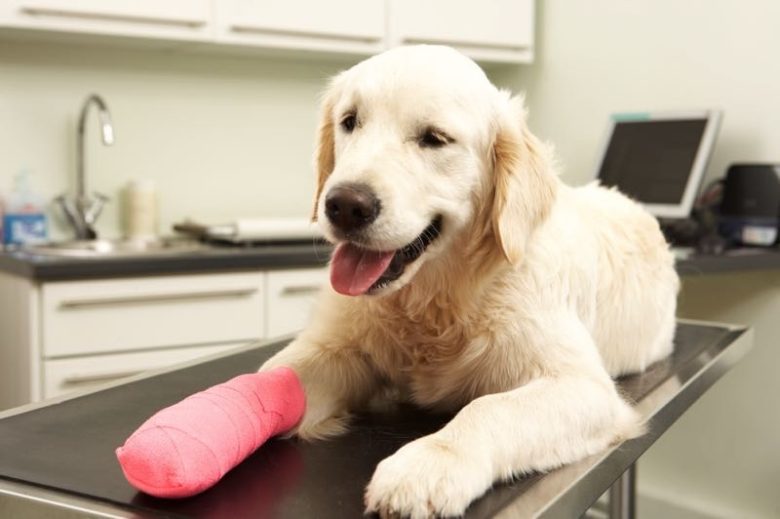
A dog collides with another at the park, yelps loudly, and is back to chasing a ball thirty seconds later. A cat leaps off a windowsill, lands awkwardly, shakes it off, and carries on as though nothing happened. Most of what looks alarming during play is exactly that: alarming to watch, but not actually serious.
The trouble is that a genuine injury can look almost identical in the first few seconds, which is why so many owners either rush to emergency vet care over something minor or, worse, wait out something that needed attention straight away.
Signs to Look Out For
The difference usually isn’t in how loud the initial reaction is. A sharp yelp followed by a full return to normal movement within a minute or two is a good sign, not a bad one; it suggests a brief, sharp discomfort rather than lasting damage. What matters far more is what happens after that first reaction fades.
A pet that’s still favouring a leg five or ten minutes later, that won’t put weight on a paw at all, or that has gone quiet and withdrawn instead of settling back into normal behaviour, is telling you something different from one that shakes off a knock and moves on.
Limping
Limping is one of the clearest examples of how this plays out. A dog that trips, yelps, and then walks it off with a slight hitch in its stride for a minute or two has probably jarred something minor. A dog that holds a paw completely off the ground, refuses to bear any weight, or is limping consistently twenty minutes later has likely done real damage, a sprain, a torn ligament, or something broken, and that’s worth having checked rather than watched overnight.
Swelling
Swelling is another useful signal, mainly because it tends to be unambiguous. A joint, paw, or muzzle that visibly puffs up after a knock or a bite from another animal isn’t something that settles on its own, and it usually points to either an injury or an allergic reaction, both of which are worth acting on the same day rather than waiting to see if it goes down by morning.
Breathing
Breathing tells you more than almost anything else. Heavy panting after a hard play session is completely normal and usually settles within ten or fifteen minutes of rest. Laboured, noisy, or open-mouthed breathing that doesn’t ease once your pet has calmed down, especially alongside pale, blue, or grey gums, is not something to wait out.
The same goes for a dog’s abdomen that looks suddenly swollen or tight after eating and playing, particularly in larger, deep-chested breeds; this can be a sign of bloat, a condition that can become life-threatening within hours and needs immediate attention rather than a wait-and-see approach.
Heat
Heat is worth watching too, particularly after an energetic play session on a warm day. Some heavy panting and a search for shade is normal. Panting that doesn’t settle after a good rest in the shade, along with drooling, wobbliness, or collapse, points to heatstroke rather than ordinary tiredness, and that’s a situation that gets worse quickly rather than resolving on its own.
Behaviour
Behaviour after the fact is worth paying attention to as well. A pet that goes quiet, hides, stops wanting to be touched, or seems unusually withdrawn in the hour after a bump or a fall is showing you something even if there’s no obvious wound. Animals are often better at masking pain than showing it plainly, so a change in demeanour, rather than an obvious injury, is sometimes the clearest signal something is actually wrong.
Time
A rough rule of thumb that works for most situations: if the reaction fades within a few minutes and your pet returns to normal movement, appetite, and behaviour, it’s reasonable to keep an eye on things at home. If a symptom, limping, swelling, laboured breathing, a swollen abdomen, or withdrawn behaviour, is still present after ten to fifteen minutes, or gets worse rather than better, that’s the point to stop watching and start acting. Waiting to see if things improve overnight is one of the most common reasons a manageable injury turns into something more serious.
Trust Your Instincts
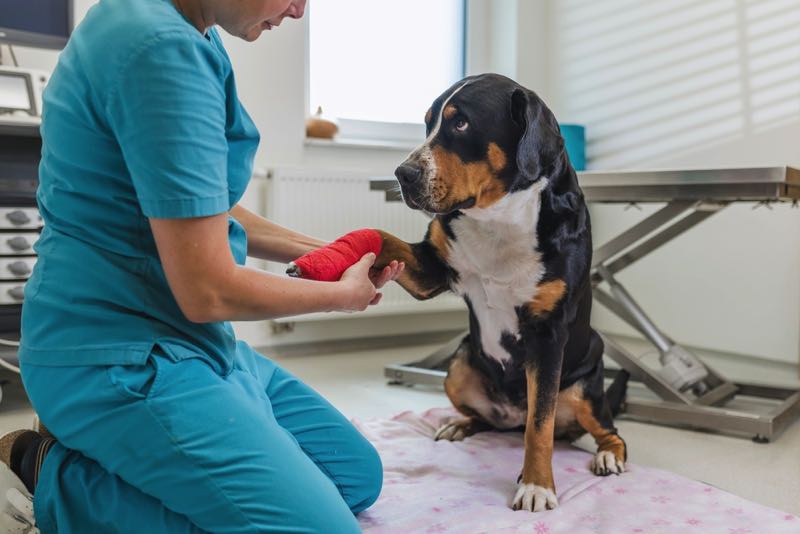
If you do decide something needs looking at, act on it rather than sitting with the uncertainty. Keep your pet as still and calm as you reasonably can on the way, support any injured limb rather than letting it bear weight, and call ahead if you can so the practice knows what to expect when you arrive. None of this requires you to diagnose anything yourself; it just means treating the decision to seek help as one you’re allowed to make on a hunch, not only once something is unmistakably wrong.
Most playtime knocks really are nothing. But the ones that aren’t tend to announce themselves quietly, through what doesn’t settle rather than through how dramatic the moment looked. Trusting that pattern, and knowing you can act on it, is what actually protects your pet when it counts.