
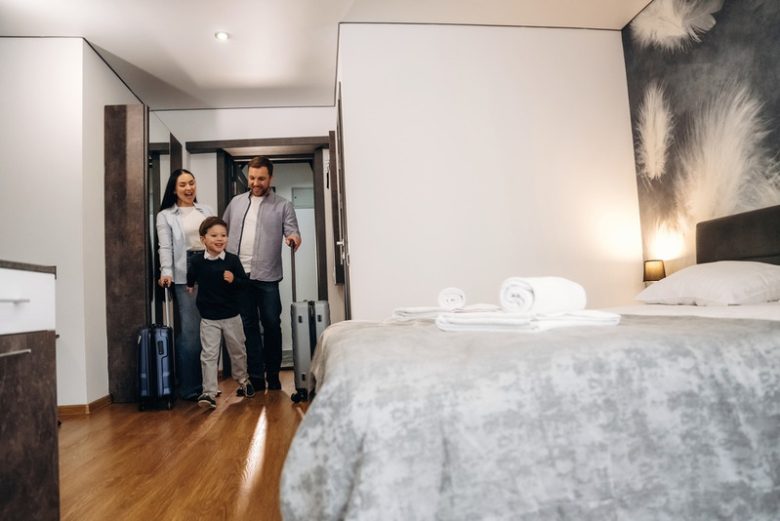
A family hotel room can look lovely in the photos. Then you get there, pull out the sofa bed and realise the only way to reach the bathroom is to climb over it. By half seven the kids are asleep, the lights are off and you’re lying in bed watching a man restore a lawnmower on your phone with the sound off. A night away, in the strictest sense.
My first instinct when I’m booking a hotel is still to look at the pictures of the pool. Then I think about how much of the trip we’ll spend in the room. I’d like a bit of evening left once the kids are asleep, and I’d like us to get out in the morning without tipping three bags onto the floor to find a pair of socks.
Where Is Everyone Actually Sleeping?
“Room for four” tells you how many people can stay. The bed description tells you how much sleep those people are likely to get. A double and two singles is a different proposition from a double and a sofa bed that the kids have to share. That might be fine if they’re small. If one of them sleeps sideways and the other objects to being touched by a stray toe, it’s worth finding out how wide the sofa bed is.
I put the children’s ages in when I search and look for the bed layout on the room I’m actually booking. It’s easy to get attached to a photo with bunk beds before realising it’s a different room altogether. If you need a cot, ask whether the hotel can confirm one for your stay and where it will go. It’s also worth asking whether the sofa bed will be made up when you arrive, especially if you’ll be checking in late.
The Hour After Lights Out

I like having an hour to myself after the kids have gone to sleep. On holiday I’m happy to spend it with a cup of tea and a book, ideally sitting in a chair with a light on. That’s why I’d take a plain room with a separate sleeping area over a bigger one where the telly is at the foot of the children’s bed. A suite can be a good option, but check the floor plan. Some give you a separate bedroom and others give you a sofa a few feet from the bed.
Connecting rooms can work well with older children. Ask whether there’s an internal door between them and whether the hotel can confirm the arrangement before you book. “Adjacent” can simply mean next door, with access through the corridor. If you’re all sharing one room, a lamp you can switch on by itself and somewhere to sit once the beds are made up can make the evening a lot more pleasant.
Look At The Bathroom And The Floor Space
A walk-in shower looks great until you remember your youngest reacts to having their hair rinsed as if you’ve turned a hose on them. If a bath would make your life easier, check that your room type has one. With older kids, a bathroom door that closes properly and a mirror outside the bathroom might be more useful. Someone can get ready while someone else takes their time in the shower.
I’d also look for somewhere to leave an open suitcase and enough hooks to hang wet coats or swimming things. You can get away with living out of a bag for one night. After four nights of hunting for clean socks in the same bag as yesterday’s damp towels, a couple of drawers start to look like a luxury.
Breakfast Before Breakfast
I like a hotel breakfast, especially the bit where someone else makes it. The snag is that the children can be ready for theirs a good hour before it’s served. A kettle and a fridge mean I can have a cup of tea and get some yoghurt or fruit into them while we wait. If the listing says there’s a minibar, ask if there’s space for your own food and whether it’s suitable for keeping it chilled.
For a longer stay, it can be worth comparing a hotel room with an aparthotel or a room with a kitchenette. Being able to make toast or put together a quick tea takes the pressure off finding somewhere to eat every time someone’s hungry. Check what the kitchenette actually includes. A microwave and a sink are useful, but they’ll only get you so far if you were planning to cook pasta.
How Far Is It From The Lift?
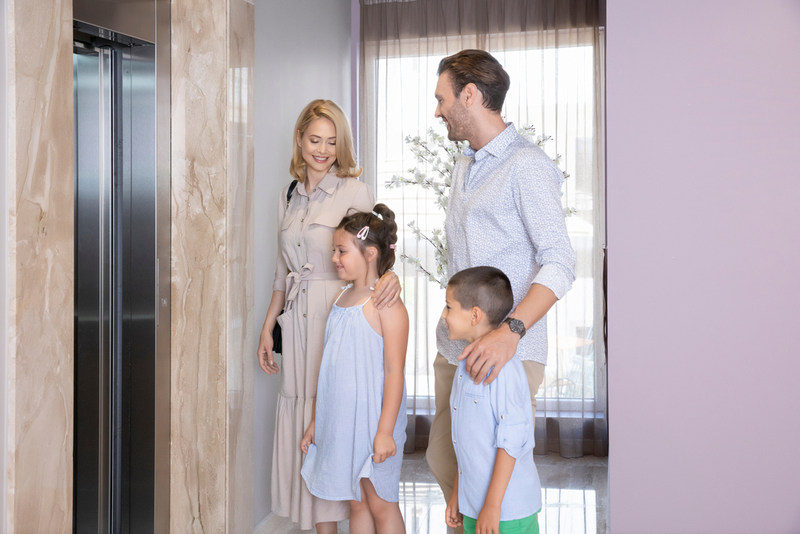
I’d happily take the room by the lift if I had a pushchair and bags to carry. With a light sleeper, I’d ask for one a little further down the corridor, away from everyone coming back from dinner. If the hotel has a bar or hosts weddings, ask where the bedrooms are in relation to the function rooms. For a summer stay, check how the room is cooled, particularly if you’d need to keep the windows closed because of street noise.
Then think about the journey from the car or reception. A lift is helpful only if it gets you where you need to go. If you’re bringing a pushchair or need step-free access, ask about the whole route to the room. A short flight of stairs at the far end can make every trip in and out more awkward.
Compare The Price For The Whole Stay
Before you pick the cheapest room, check what you’ll pay for parking, breakfast and any extra bed you need. Compare the totals for the same dates and the same number of guests. If breakfast is included, check whether that covers the children and what time it starts. On a trip with an early ferry or a child who wakes up ready for breakfast immediately, the timing can matter as much as the price.
There’s usually one detail I’d pay a bit more to get right. On a one-night stop, it might be separate beds for the kids. For a week away, I’d put more value on having somewhere to sit after they’ve gone to sleep. Once I’ve worked out which of those things matters for this trip, the booking gets a lot easier. And if two rooms do the job for the same price, I’m straight back to the pictures of the pool.