
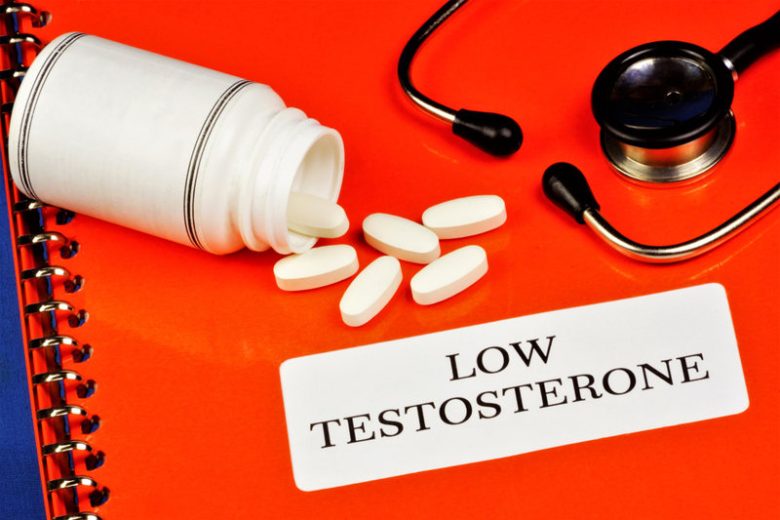
I don’t know what I did to make the internet worry about my testosterone, but it is definitely worried. At the moment, adverts for low-testosterone tests and treatment seem to be everywhere. They ask whether I’m tired, irritable, lacking motivation, putting on weight, struggling to concentrate or less interested in sex.
In other words, they ask whether I’m a middle-aged dad.
That is what makes the adverts so effective. Most fathers could tick at least a few of those boxes after a bad week. Tiredness may be caused by children waking during the night. Irritability could have something to do with work, money or the low-level chaos of family life. Concentration becomes more difficult when your brain is carrying everybody’s appointments, problems and missing PE kits.
However, low testosterone is a genuine medical condition, and men experiencing persistent symptoms should not simply dismiss them as an unavoidable part of getting older or having children. So, how can we tell the difference between low testosterone and ordinary exhausted-dad syndrome?
What Low Testosterone Actually Means

Testosterone is a hormone produced mainly in the testicles. It plays a part in sex drive, sperm production, muscle and bone strength, red blood cell production and the development of male characteristics such as facial hair and a deeper voice.
Men’s testosterone levels generally decline gradually as they age. That does not mean every older man develops a deficiency or needs his testosterone “topped up”. The NHS says late-onset hypogonadism—the medical condition sometimes misleadingly called the “male menopause”—is uncommon and is not a normal part of ageing.
Possible symptoms include a reduced sex drive, erectile problems, loss of morning erections, fatigue, low mood, difficulty concentrating, reduced strength and loss of body hair. The difficulty is that many of these symptoms are not specific to low testosterone. Poor sleep, stress, anxiety, depression, obesity, excessive alcohol consumption, certain medicines and other health conditions can produce similar effects. Some of those factors can also contribute to lower testosterone levels.
That means an online questionnaire cannot diagnose you. Neither can recognising yourself in an advert. Doctors consider a man’s symptoms, medical history and blood-test results together. Testosterone changes during the day and is normally highest in the morning, which is why testing is generally performed then. A low result may need to be confirmed with another morning test, alongside further investigation into its cause.
Why Do Some Men Take Testosterone Medication?
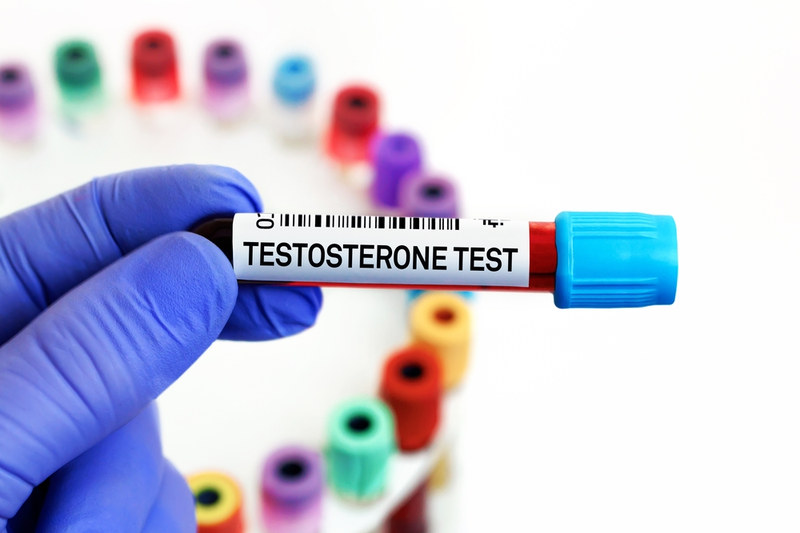
Testosterone replacement therapy, usually shortened to TRT, is prescribed to replace testosterone when the body is not producing enough. Depending on the individual, it may be supplied as a gel or an injection. For someone with a properly diagnosed deficiency, treatment can relieve symptoms and help protect areas such as muscle and bone health.
There are several possible reasons why the body may not make enough testosterone. A problem can affect the testicles themselves or the parts of the brain that signal them to produce the hormone. Testosterone deficiency can also be associated with certain medical conditions, treatments or medicines. This is why finding the reason for a low result matters rather than treating a number in isolation.
TRT is not simply a male energy supplement. It is prescription medication that requires professional assessment and ongoing monitoring. It can cause side effects and may increase red blood cell levels, contribute to acne or fluid retention, and reduce sperm production. That last point is especially important for men who may want more children. Taking external testosterone can suppress the body’s own production, so it should not be approached like trying a new vitamin and seeing how it goes.
None of this means TRT is bad. For men with a confirmed deficiency, it can be appropriate treatment and make a substantial difference to their health and quality of life. The problem comes when advertising makes it sound as though testosterone is the obvious solution to every tired, stressed or slightly softer man over 30.
So, Is It Low Testosterone Or Tired Dad Life?

The honest answer is that symptoms alone cannot tell you. If you have been sleeping badly, eating poorly, drinking more than usual and coping with a stressful period, there are several plausible explanations for feeling drained. If the problem improves when life settles down or you start looking after yourself better, testosterone may never have been the issue.
But persistent tiredness, low mood, sexual difficulties or noticeable physical changes deserve attention. The sensible next step is not to diagnose yourself through Instagram or buy medication from an unregulated source. It is to speak to your GP, explain all your symptoms and let them consider the full picture. They may arrange blood tests, investigate other possible causes or refer you to a specialist if the results suggest testosterone deficiency.
The current wave of adverts is not entirely harmful. Men are often reluctant to talk about low mood, sexual problems and changes to their bodies, so anything that encourages a proper conversation can help. The trouble is that the company raising awareness may also be selling the test and, potentially, an ongoing course of treatment. That does not automatically make its service unreliable, but it is a reason to look beyond the marketing.
So, do I have low testosterone or am I just a tired dad? I cannot answer that from an advert, a list of common symptoms or the fact that I no longer bounce out of bed like I did at 21. Neither can anyone else.
Low testosterone is real, and treatment exists for men who need it. But tiredness is not a diagnosis, ageing is not a disease and a difficult month does not necessarily indicate a hormonal problem. If something feels persistently wrong, get it checked properly. Just don’t let an algorithm convince you that being knackered after years of parenting means your masculinity is running low.