

Does your baby won’t sleep no matter what you try? That endless rocking, those cries at 2 a.m., it leaves you wiped out. I get it, I’ve done the midnight floor pacing with my own kids while everyone else slept soundly. Good news, though: a few smart tweaks can change everything quickly.
Grab something practical like a comfy breastfeeding pillow to make feeding and settling easier; it holds the baby just right in those late hours. This guide breaks down why your baby won’t sleep and gives fixes that actually work fast. Tackle ’em one by one, and those rough nights turn into real rest for you all.
Common Physical Discomforts That Prevent Baby From Settling
Babies feel stuff super strong, so little aches turn into big no-sleep drama. Your baby won’t sleep even when dead tired, making bedtime a fight. Let’s hit the usual suspects and fix ’em quick.
Gas
Gas builds up from air they swallow or milk that doesn’t digest right. Baby squirms, arches their back, pulls legs to chest. Easy fix: tummy time on something soft, or lay ’em on back and pedal their legs like a bike. Burp often too, every couple minutes mid-feed, to let those bubbles out before they get bad.
Teething
Teething hits around six months with puffy red gums and drools everywhere, soaking sheets and outfits. Chill a washcloth or teething ring for numb relief, or rub a clean finger gentle on the gums, it soothes right away. Overheating sneaks up too; too many clothes means sweat and cranky vibes. Put one extra layer on the baby than you got on, check their neck, if damp, peel one off. Keep the room at 68 to 72 degrees Fahrenheit, nice and cool.
Reflux
Reflux bugs lots of newborns, milk comes back up, burns their throat. They cry hard after eating, arch backs in pain. Hold ’em up straight 20-30 minutes after feeding, and prop the crib mattress head a tad (no pillows though, suffocation danger).
The Early Signs
Spot these early with these signs:
- Gas: Fists tight, grunting, knees to chest
- Teething: Drool city, chewing fists, tugging ears
- Overheating: Sweaty head or neck, fast breaths, red cheeks
- Reflux: Spits up lots after eats, hiccups that won’t quit
Developmental Milestones and Their Impact on Sleep Cycles
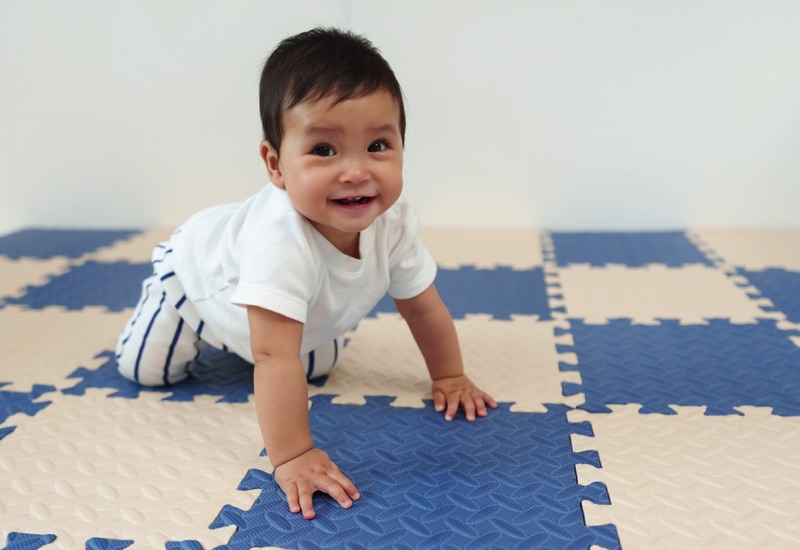
Babies grow fast, and those leaps mess with sleep big time. Your baby won’t sleep deep ’cause their brain’s buzzing with new stuff, stealing rest time. Hits on schedules like growth spurts at 2, 4, 6, 8, 10 weeks, then milestones every couple months.
Take three months, they get hooked on their hands, staring, grabbing, won’t quit, so drifting off? Nope. Four months, rolling over the big thing; they practice in the crib, waking themselves over and over. Sleep regressions crank it up, at nine months, separation anxiety plus crawling or standing means crib jailbreaks at night. Even pre-walking brain work tires ’em out, chopping nights into wake-ups.
Naps shorten daytime, stretches night wakings. Log it all simple, milestones next to sleep shifts, patterns pop right out. To get through:
- Extra daytime cuddles to fill their love tank
- Practice skills in playtime, like rolling on a soft mat
- Stick to routines for that steady feel amid the storm
Creating the Ultimate Sleep-Inducing Nursery Environment
The nursery sets the sleep signal for the baby. Make a cozy “sleep cave,” and baby won’t sleep moments? Gone. Blackout first, heavy curtains or shades kill every light bit, for naps or night feeds; dark kicks in rest mode. White noise is steady, like womb sounds from a machine, ocean waves or fan hum, to block house noise. Crib basics: firm mattress, tight sheet only. No blankets, bumpers, toys till one year, SIDS no-go. Swaddle newborns tight for that hugged feel.
Temp cool with air moving, 68-72°F, humidifier if dry for comfy air. Lavender whiff on a cloth nearby (not on baby) calms extra. Build the ritual:
- Red nightlight for changes, keeps melatonin going
- Same sleep spot always for good vibes
- Soft surfaces everywhere, like changing pads
Identifying and Avoiding the “Overtired” Threshold

Nothing sabotages sleep like overtiredness, where missing the ideal window triggers a cortisol surge, leaving the baby wired yet exhausted. This vicious cycle ensures your baby won’t sleep even when desperate for it. Spotting early cues prevents escalation: subtle yawning evolves into eye-rubbing, dazed stares, and escalating fussiness from whines to wails.
Tailor wake windows by age to stay ahead:
- Newborns: 45-60 minutes
- 3 months: 90 minutes
- 6 months: 2 hours
- 9 months: 3 hours maximum
Set phone timers post-nap, following a feed-play-sleep cycle, and ban screens, their blue light ramps up alertness. Common traps include late-evening play that sneaks in fatigue or skipped naps that shorten future windows. Rescue overtired moments with gentle rocking, but reset with stricter timing tomorrow. Catch it early, and sleep transitions flow effortlessly, patience here yields massive rewards.
The Importance of a Predictable and Calming Bedtime Routine
A consistent bedtime routine acts as a powerful cue, reassuring baby that rest is near and helping prevent those “baby won’t sleep” marathons. Begin 30 minutes before your target bedtime: a warm bath relaxes tense muscles, followed by gentle lotion massage on legs, arms, and back under dim lights to boost melatonin.
Transition to a calm feeding spot, perhaps with soft rocking and lullabies. Add a short book for bonding, then activate white noise, whisper goodnights, and place in the crib drowsy but awake. Protect this ritual fiercely, pack a portable kit for travel or share the exact script with partners. The benefits compound over time:
- Predictability reduces resistance
- It releases built-up daytime stress
- Fosters emotional security
Distinguishing Between Hunger Cues and Comfort Seeking

Confusing hunger with comfort needs prolongs wakings, so learning to differentiate is key when your baby won’t sleep. True hunger shows urgent rooting: sucking fists, lip-smacking, and frantic cries, with head turning to cheek strokes. Time since the last feed matters, under four hours for young infants signals real need.
Comfort seeking, however, involves softer whimpers, failed self-soothing, and quick settling in arms, often with eye contact craving connection over calories. Test with a “dream feed” before your own bedtime: gently top off without fully waking them. If they drift off sans feeding, it is comforting. Balance strategically:
- Cluster feeds in evenings for newborns
- Phase out dream feeds by six months
- Introduce solids later to extend night stretches
Age-Appropriate Wake Windows and Daytime Nap Balance
Daytime naps directly fuel nighttime sleep, but poor balance means your baby won’t sleep when darkness falls. Newborns need 16-18 total hours, catnapping frequently in 3-4 short bursts with 45-60 minute wake windows.
By four months, consolidate to three naps (2-3 hours total), stretching windows to 2.5 hours. At six to eight months, drop to two naps with three-hour windows and 14 total hours. Toddlers transition to one nap amid four-hour windows.
Optimize with this chart:
| Age | Wake Windows | Nap Structure | Total Sleep |
|---|---|---|---|
| Newborn | 45-60 min | 3-4 short naps | 16-18 hrs |
| 4 months | 2.5 hrs | 3 naps | 14-15 hrs |
| 6-8 months | 3 hrs | 2 naps | 14 hrs |
| 12+ months | 4 hrs | 1 nap | 12-14 hrs |
When to Consult a Pediatrician About Persistent Sleep Issues

While most tweaks yield quick wins, if your baby won’t sleep issues linger for weeks, professional input is wise. Red flags warrant a prompt visit:
- Snoring or breathing pauses (possible sleep apnea)
- Night terrors: Intense screams with open, unresponsive eyes
- Extreme fussiness paired with fever, rash, or poor weight gain
- Regressions exceeding four weeks
Maintain a detailed sleep log with times, feeds, and cry durations, and share it. Pediatricians can rule out ear infections, allergies, anemia, or rare conditions like restless legs syndrome. Trust your instincts; expert reassurance provides peace beyond enduring alone.
Final Thoughts
You’ve got the tools to conquer this, baby won’t sleep phases forge resilient parents. Layer in discomfort fixes, rock-solid routines, and nap balance for steady progress. Celebrate milestones like that first solid stretch. Your rested family awaits sweeter dreams ahead.