

If your kids are into Pokémon, you’ll already know the tell-tale signs. They speak in a language you don’t understand. They shout names that sound like someone sneezed mid-Scrabble. They trade cards with the intensity of stockbrokers. And somewhere in the house, usually under the sofa, there’s a small plastic creature that looks like it’s judging you.
If you’ve quietly nodded along for months while secretly wondering what on earth a “shiny Charizard EX” is, this is for you. Here’s a simple, dad-friendly guide that won’t overwhelm you, won’t demand you memorise 1,000 fictional animals, and should at least help you keep up with your own children.
Just think of this as your crash course in Pokémon-ese. No revision required. No detention for asking silly questions.
What Pokémon Actually Is
At its core, Pokémon is a huge fictional world where strange creatures exist, kids go on adventures, and nobody seems remotely concerned about letting ten-year-olds roam the wilderness unsupervised. It started as a video game series in the 1990s and has since grown into an empire including TV shows, movies, trading cards, toys and more merch than a theme park gift shop.
Kids love it because the creatures are cute, cool or bizarre; there’s loads to collect; and there’s always something new coming out. You don’t need the full history lesson here. Just think of Pokémon as the entertainment equivalent of football: it’s always going on somewhere, it never really ends, and your child will always know more about it than you do.
The Many Ways Kids Play Pokémon
Here’s where most dads get lost. Pokémon isn’t one thing — it’s several overlapping hobbies:
- Video games on Nintendo consoles, where you catch Pokémon, train them and battle other characters.
- The trading card game, which is basically playground stock exchange with pictures.
- The animated series, which your kids may binge without blinking (think Top Trumps).
- The toys, plushies and endless paraphernalia.
Most children jump between these without hesitation. You don’t need to understand every version. Just know that whichever one your kids like is, according to them, the definitive and only correct way to enjoy Pokémon.
So… What Are Pokémon Exactly?
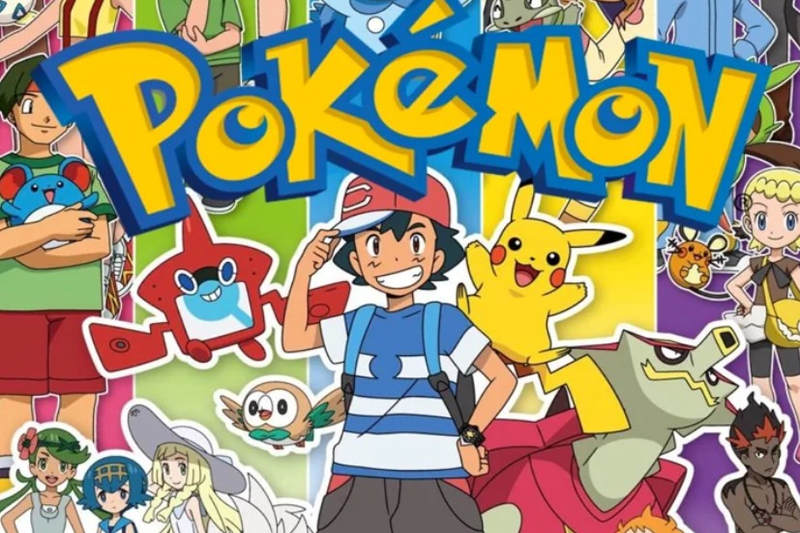
Pokémon are fictional creatures that kids collect, battle with, talk about and occasionally scream about when they finally get the one they want. They come in many shapes, sizes and personality types. Some look like animals. Some look like plants. Some look like electrical appliances. One is literally a set of car keys – Google ‘Klefki’.
They each belong to a “type” — think elements. The basic ones you might actually hear about are:
- Fire
- Water
- Grass
- Electric
- Psychic
- Fighting
- Dragon
There are more, but honestly, nobody expects you to recite them. Your kids already can, because children’s brains are like velcro for obscure facts.
The Characters You Will Definitely Hear About
You don’t need to memorise hundreds of creatures. Get familiar with these and you can fake competence with minimal effort.
- Pikachu – Yellow, mouse-like, electricity-powered, franchise mascot. If Pokémon had a lead singer, this is it.
- Charizard – Big orange dragon-thing. Very popular. Often the star of any card collection.
- Bulbasaur, Charmander, Squirtle – The original trio of starter Pokémon. Kids love them because they’re iconic, cute and easy to recognise.
- Eevee – A fluffy fox-like Pokémon that can evolve into lots of different forms. Very merch-friendly.
- Mewtwo – A serious-looking psychic powerhouse who features in the earliest films.
- Snorlax – Massive, round, mostly asleep. May also describe some dads after a Sunday roast.
Just recognising these is enough to avoid looking completely lost.
What On Earth Is Evolution?
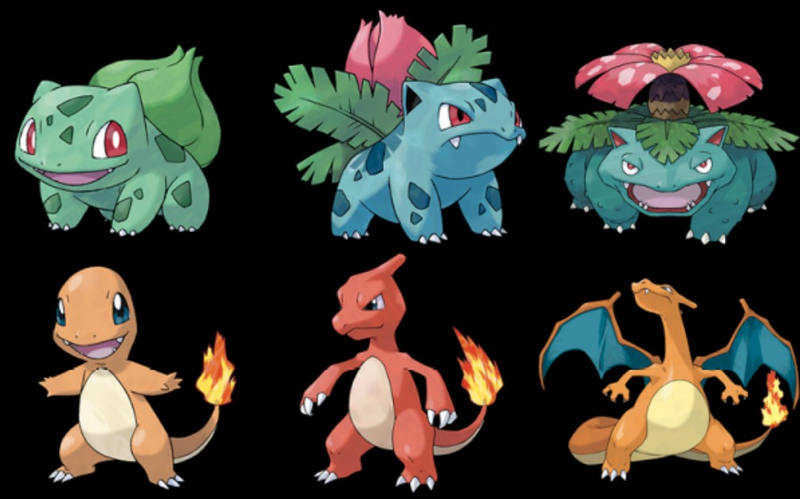
This trips up a lot of parents because it’s nothing like the evolution you learned in school. In Pokémon, the characters can “evolve”, and “evolving” just means the creature transforms into a bigger, cooler or more dramatic version of itself. It usually happens when they level up or use a special item.
It’s a bit like when your son or daughter goes from wobbling along on a balance bike to rocketing around the park on a pedal bike. Same child, new powers unlocked.
Understanding The Pokémon Story (So Far As One Exists)
One of the first things that throws parents off is the assumption that Pokémon has a big, complicated storyline running underneath everything. It doesn’t. Not in the grand, cinematic-universe way you might be expecting. Instead, it’s more like a series of self-contained adventures that all follow a familiar pattern.
In the games, you play a young trainer travelling through a region, catching creatures, challenging gym leaders and eventually taking on the resident bad guys. Every game uses the same formula, just with new characters, new locations and a fresh set of problems to sort out. There are little nods and returning faces from previous generations, but nothing you need a doctorate in Pokémon Lore to follow.
The TV show works much the same way. For years it followed Ash Ketchum as he trekked across different regions doing the classic routine of catching Pokémon, battling gym leaders and dealing with whatever villainous team was trying to cause trouble that week. Ash stays the same age for about twenty years, which tells you how seriously the show takes the timeline. More recently, the series introduced new main characters, but the structure hasn’t changed much.
The films are mostly one-off adventures built around extra-powerful Legendary Pokémon. They rarely affect the series or the games in any meaningful way.
The helpful takeaway for dads is this: you don’t need to memorise a giant, never-ending storyline to talk to your kids about Pokémon. Each adventure is its own thing, and the overall world operates on simple, repeatable rules. Once you know that basic rhythm, the rest is far less mysterious.
A Quick Look At The Card Craze
Ah, the cards. Possibly the most baffling part for parents.
The Pokémon Trading Card Game has its own rules, but most children aren’t actually playing it. They’re collecting cards, organising them, comparing them, swapping them and occasionally guarding them with the seriousness usually reserved for heirlooms.
The only things you really need to know:
- Shiny or rare-looking cards are the exciting ones.
• Condition matters, which explains the sudden interest in plastic sleeves.
• Some cards can be worth real money, but do not assume every card is secretly funding their university degree.
Most playground discussions around cards involve value, rarity and who managed to get something better than their friend.
What Matters Most To Your Kids
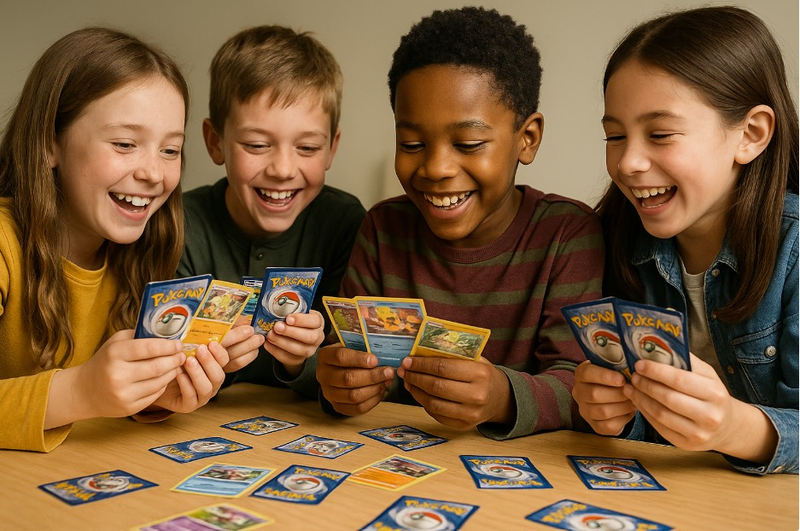
Pokémon isn’t just creatures and battles.
For a lot of kids, it’s:
- A way to bond with friends
- A safe hobby to get excited about
- A world they understand better than adults
- Something they can teach you
- A chance to collect and organise things
Showing even a small amount of interest goes a long way. You don’t have to master every detail. Just ask questions, listen and show a bit of curiosity.
And yes, occasionally admire the fifteenth drawing of Pikachu they’ve brought home.
Stepping Into Their World
The beauty of Pokémon is that it’s built for kids but easy enough for adults to dip into. And a lot of adults are obsessed with it as well.
You can learn the basics in an afternoon, surprise them by recognising a couple of creatures, and instantly become a more impressive-looking dad in their eyes.
You never know — you might even find yourself enjoying it. Or at the very least, successfully identifying Pikachu on sight, which earns you respectable dad points in its own right.
If you’ve been feeling clueless, that’s perfectly normal. But now you’re slightly less clueless. And in the world of Pokémon parenting, that’s a victory.