
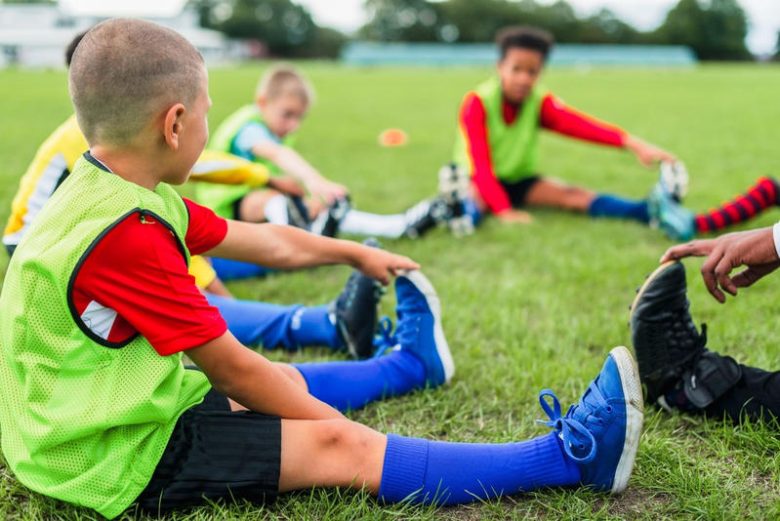
There is something lovely about watching kids work out how to play together. One is desperate to score, another is figuring out where to stand, and someone else is busy talking to a teammate. It can be chaotic, but that’s part of the appeal. Much of what they’re learning has very little to do with sport.
That’s why I encourage my kids to play team sports. I want them to have fun and be active, but also to experience being part of something that depends on other people. As their dad, I value another way to support them and spend time together without every conversation turning into a question about school.
Being Active Feels Like Play
Exercise doesn’t have to be a task children tick off before they’re allowed to do something enjoyable. In a team game, the running has a purpose. They’re trying to reach a teammate, get back into position or beat someone to the ball. The effort is real, but so is the fun.
Children need plenty of chances to move throughout the week. The UK Chief Medical Officers recommend that five- to 18-year-olds average at least 60 minutes of physical activity a day across the week. A single match won’t do that by itself, but sport can make movement something a child looks forward to rather than something we nag them about. I hope that enjoyment stays with them.
Confidence Grows In Small Moments
As a dad, I can tell my kids I’m proud of them. I can remind them that they can do hard things. But hearing it from me isn’t quite the same as feeling it for themselves.
Sport gives them little moments of proof. They make a pass they couldn’t manage a few weeks ago. They speak to a new teammate. They have a go even though they’re nervous. None of those moments needs a trophy; sometimes the important thing is going back after a difficult first session.
Research into sport and children’s wellbeing has found an association between participation and higher self-esteem, with team sports showing particularly consistent social and psychological benefits. That doesn’t mean every child will feel confident just because they’ve joined a club. It does suggest that a supportive team can give them useful opportunities to discover what they’re capable of.
They Find Their Place Among Other People

Making friends is one of the reasons parents sign children up for teams, and it’s a good one. Everyone has a game to talk about. They might make a close friend or just get comfortable chatting to children they wouldn’t otherwise meet. Both are worthwhile.
I also like that they have to make room for other people. The most confident child isn’t always the one with the best idea, and the quietest teammate might be the person who spots an opportunity nobody else has seen. Playing together asks kids to listen, take turns and notice when somebody needs a bit of help. They’re lessons I can talk about at home, but on a team they get to see why those things matter.
Losing Isn’t The End Of The Story
It’s hard to watch your child feel disappointed. My instinct is to make things better, sometimes faster than they want me to. A lost game or a missed chance gives me a reason to slow down and listen first.
There is room to be upset without turning a defeat into a disaster. Later, when they’re ready, we can talk about what went well, what they’d like to try next time and which parts of the game were out of their hands. Winning brings its own conversation: who helped, who worked hard, and how to enjoy the result without making another child feel small. I would rather they learned to handle both sides of sport than thought their worth depended on the score.
I Get To See A Different Side Of Them
At home, a lot of my time with the kids involves reminding them to do things. Shoes on. Dinner’s ready. Have you packed what you need? It’s necessary, but it doesn’t leave much room to watch them make their own choices.
On a team, I can step back and see what they do when they’re unsure, what they enjoy and whether they look out for somebody else. Afterwards, asking what made them laugh might tell me far more than asking whether they scored. It’s a chance to hear about their world in their words.
It Gives Us Something Of Their Own To Share
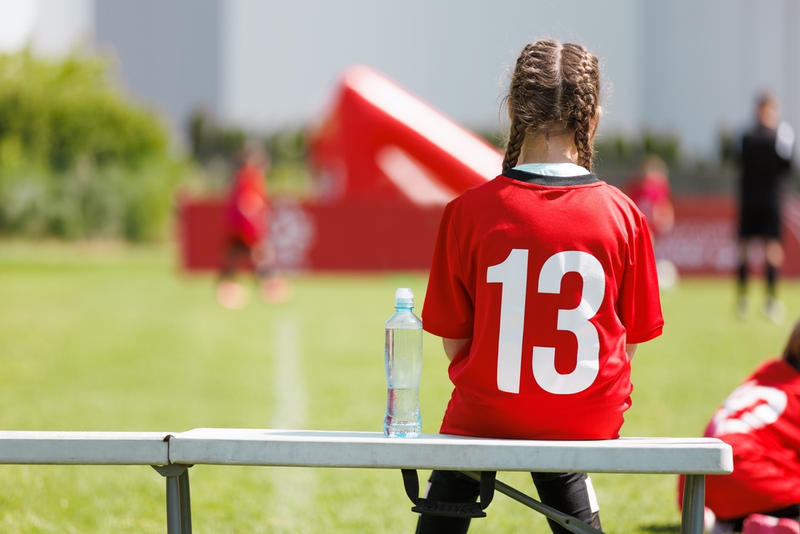
I love the idea of having something we can do together, even if my contribution is fairly modest. I can practise with them in the garden, learn the rules, help them get to training or just turn up and watch. Those little bits of time can be easy to overlook, but they’re often where a good conversation begins.
The important thing is remembering whose hobby it is. I might know more about football than netball, but that isn’t a reason to steer them towards the sport I’d choose. If they want to teach me how their game works, even better. Being interested in what interests them means more than pretending I have all the answers. And if their favourite part is chatting with friends after the match, I want to hear about that too.
It Makes Me Think About The Dad I Want To Be
Standing on the sidelines is a surprisingly good test of a parent’s self-control. It’s tempting to shout advice, question a referee or worry that your child hasn’t had enough time on the pitch. But my kids don’t need a running commentary from me. They need to know I enjoy watching them and that I’ll still be pleased to see them when the game is over.
How I react to mistakes matters. If I applaud my own child but groan when another kid loses the ball, they’ll notice. If I talk about respecting teammates and then spend the journey home blaming the coach, they’ll notice that too. I want to show them what being a good sport looks like, especially when the result hasn’t gone our way.
Enjoyment Has To Come First
Of course, a team isn’t automatically a happy place for every child. The right coach and the right group make a difference. If one of my kids felt left out or dreaded going, I would want to know, not insist they stick it out for the sake of a lesson in perseverance. Another team, another sport or a completely different activity might be a better fit.
I encourage them because team sport offers so much: movement, friendship, confidence and the chance to work through the good days and the disappointing ones with other people. For me, it also means showing up for something they care about and learning when to cheer, when to listen and when to let them lead. That’s plenty to take home from a game, whatever the score.