
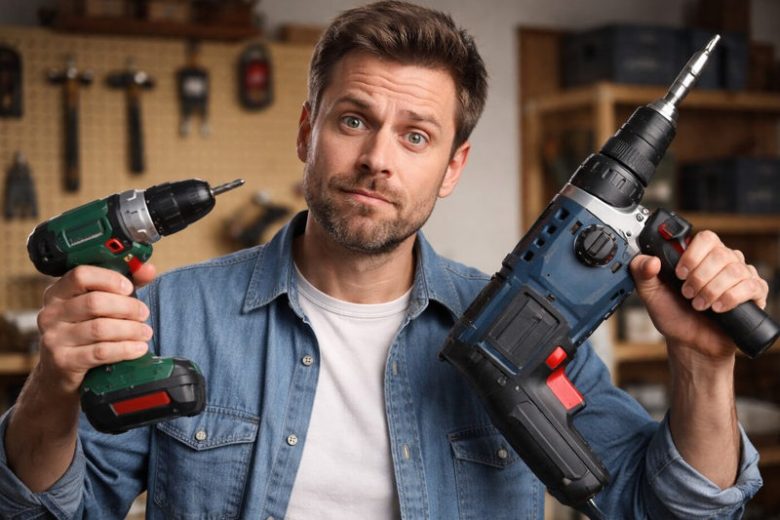
Buying a drill is one of those classic dad moments. You don’t own one, something needs fixing, and suddenly you’re standing in a shop or scrolling online wondering why there are so many options for what is, in theory, a spinning stick.
The truth is that most DIY dads don’t need anything close to what marketing departments would have you believe. What you need to spend depends almost entirely on what you’re actually going to do with it, not what you might do one day if you ever knock a wall through.
Here’s a realistic way to think about it, based on ability, confidence, and the kind of jobs most family homes throw up.
Small Jobs: The Flat-Pack Dad
If your main experience of DIY is building flat-pack furniture, tightening hinges, assembling kids’ beds, or putting together the odd storage unit, you don’t really need a “drill” in the traditional sense at all.
A small cordless screwdriver or compact low-voltage drill is more than enough for this level of work. These are light, easy to control, and far less intimidating if you don’t enjoy DIY or only do it occasionally.
Price-wise, this is the cheapest entry point. You’re generally looking at the lower end of the market, and that’s fine. You’re not drilling into brick, you’re not driving long screws into timber, and you’re not working for hours at a time.
This is also where DIY-focused ranges from brands like Bosch make sense. Their consumer lines are designed specifically for lighter household use, and for this level of DIY, there’s little benefit in paying more.
If that’s all you ever do, spending more is unlikely to improve your life in any meaningful way.
Price Range: £30 – £50
Most Jobs: Household Hero Dad
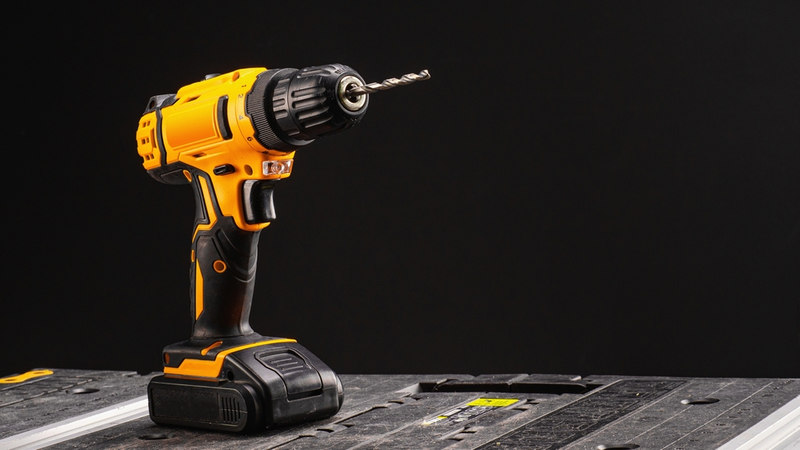
This is where most dads probably sit. You build furniture, but you also put shelves up, mount a TV, fix loose fence panels, drill into walls, and generally keep the house ticking over.
At this point, you need a proper cordless drill with a bit more power and flexibility. Hammer action starts to matter here, because drilling into brick or masonry without it is frustrating at best and pointless at worst.
This is the level where spending a bit more makes sense. Not because you need professional performance, but because weight, battery life, chuck quality, and overall reliability start to matter. A drill that struggles, stalls, or needs constant recharging quickly becomes one that lives in a cupboard.
Mid-range drills are designed for exactly this kind of use. They’ll happily handle shelves, wall fixings, and garden jobs without feeling like overkill. You don’t need huge voltage numbers or aggressive branding, just something solid and dependable.
You’ll see a clear step up in price here compared to entry-level tools, but it’s also where you stop feeling like the drill is fighting you every time you use it.
Price Range: £50 – £100
Big Jobs: The Semi-Pro Dad
If you’re comfortable with DIY and regularly take on bigger jobs, you may justify spending a bit more. That doesn’t mean professional gear is essential, but it does mean you’ll appreciate better torque control, stronger batteries, and a more robust build.
This is where brands like Makita and DeWalt start to appear, because they’re built for frequent use and tougher conditions. That doesn’t mean they’re required, just that this is the tier they sit in.
Even here, it’s worth being honest about limits. Most DIY dads still don’t need industrial-grade tools. You’re not drilling reinforced concrete all day, and you’re not earning a living with it. Paying extra only makes sense if you genuinely use it enough to notice the difference.
Price Range: £90 – £160
The Drill Most Dads Don’t Need
This is where the big SDS drills and very high-voltage monsters come in. They look impressive, they feel powerful, and they’re almost always unnecessary for normal household DIY.
Unless you’re regularly drilling into concrete or tackling major structural work, an SDS drill is overkill. They’re heavier, more aggressive, and far less pleasant to use for everyday jobs. Many end up being bought for one task, used once, and then ignored forever.
For most dads, a standard cordless hammer drill will handle everything from shelves to wall fixings without the downsides.
Price Range: £180+
What You’re Really Paying For
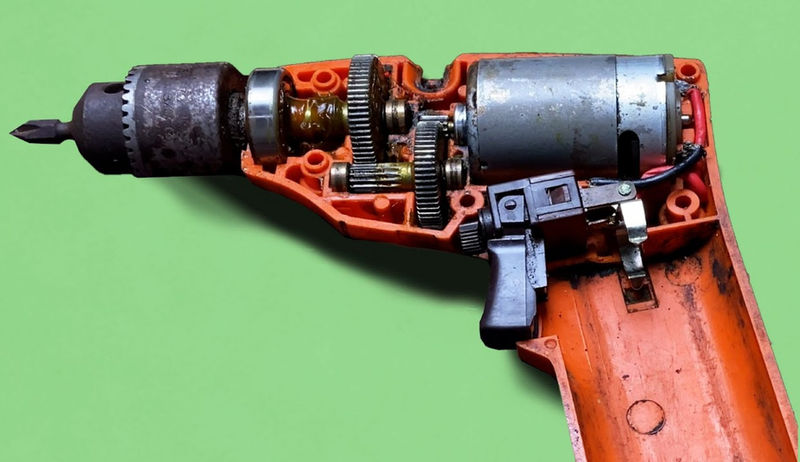
As you move up the price range, you’re not just paying for power. You’re paying for ease of use, reliability, and confidence. A drill that feels balanced, drills cleanly, and doesn’t fight you makes DIY less stressful, which means you’re more likely to actually do the job instead of putting it off.
The mistake many people make is buying for a fantasy version of themselves. The dad who renovates rooms, builds decking every summer, and tackles big projects every weekend. If that’s not you, don’t buy for him.
Buy for the jobs you actually do, the space you actually have, and the confidence level you’re actually at.
If you get that right, you’ll spend the right amount, avoid unnecessary kit, and end up with a drill that earns its place in the house rather than gathering dust in the garage.
Avoid The Cheap Tat
At each entry point, there’s a level of cheap where you’re saving money, and a level where you’re just buying frustration. With drills, that line is surprisingly easy to cross. If something is priced so low it feels too good to be true, it often is.
The biggest giveaway is how it feels in your hand. Very cheap drills tend to be light in the wrong way, plasticky, and awkward to control. They rattle, the chuck never quite tightens properly, and the battery seems to run out halfway through the first job.
Another trap is being distracted by big numbers or massive accessory bundles. High voltage claims and boxes full of bits look impressive, but they don’t help if the drill struggles with basic jobs or the bits wear out immediately. A slightly more expensive but well-built drill is far more likely to get used, simply because it does what you expect it to do.
There are budget brands out there that will serve you perfectly well if you don’t need them often, but buying at the right level for what you need it for is the key.