

Last winter, as I watched our energy bills climb higher than my youngest could count, I made a decision that would transform not just our home’s heating system, but our entire family dynamic. I decided to install a wood burning stove myself. What started as a cost-saving measure became one of the most rewarding projects I’ve ever undertaken as a father, and I’m here to tell you why you should consider doing the same.
The Lightbulb Moment
It was during one of those dreaded budget conversations when my wife mentioned our heating bill had doubled. As I sat there, calculator in hand, I glanced at our cold, empty fireplace. That’s when it hit me: why not install a proper wood burning stoves and take control of our heating costs?
My father had heated our childhood home with wood, and some of my fondest memories involved helping him tend the fire. There was something deeply satisfying about that self-sufficiency. But as a modern dad with a mortgage and two kids, I needed this decision to make financial sense too.
The Numbers Don’t Lie
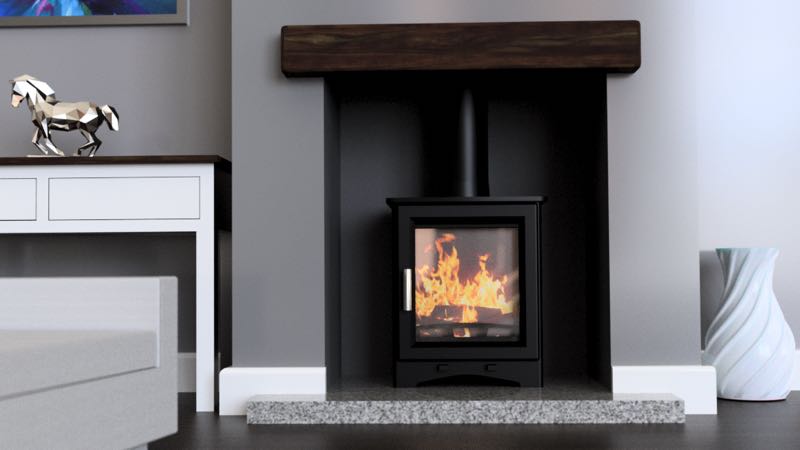
Before diving in, I researched extensively. A quality wood burning stove and installation materials cost £800-£2,500, with professional installation adding another £1,000-£2,000.
But here’s the key: the average UK household spends over £2,000 annually on heating. With wood costing £60-80 per cubic meter (enough for several weeks), annual fuel costs drop dramatically. Most families break even within 2-3 years, then enjoy pure savings.
For our family of four, I calculated we’d save roughly £1,200 annually. Over a decade, that’s enough for a Disney World holiday with spending money left over.
Why DIY Makes Perfect Sense
Now, I know what you’re thinking: “Surely installing a wood burning stove is a job for the professionals?” And yes, certain aspects require certified expertise – particularly gas connections and final safety inspections. But the bulk of the work? Absolutely within reach of any dad with basic DIY skills and the right guidance.
Installing your own stove offers several compelling advantages:
- Cost Savings: Professional installation fees can double your project cost. By doing the groundwork yourself, you’re looking at savings of £1,000 or more.
- Learning Experience: There’s something incredibly satisfying about understanding exactly how your home’s heating system works. When minor maintenance is needed down the line, you’ll have the knowledge and confidence to handle it yourself.
- Quality Control: When you’re doing the work yourself, you know every connection is perfect, every safety check completed thoroughly. You’re not rushing to finish and move on to the next job.
- Father-Child Bonding: This became the unexpected highlight of my project. My 12-year-old son became my eager assistant, learning about measurements, safety protocols, and problem-solving. My 8-year-old daughter appointed herself “tool supervisor.” These shared moments of working together toward a common goal created memories I’ll treasure forever.
Getting Started: What You Need to Know
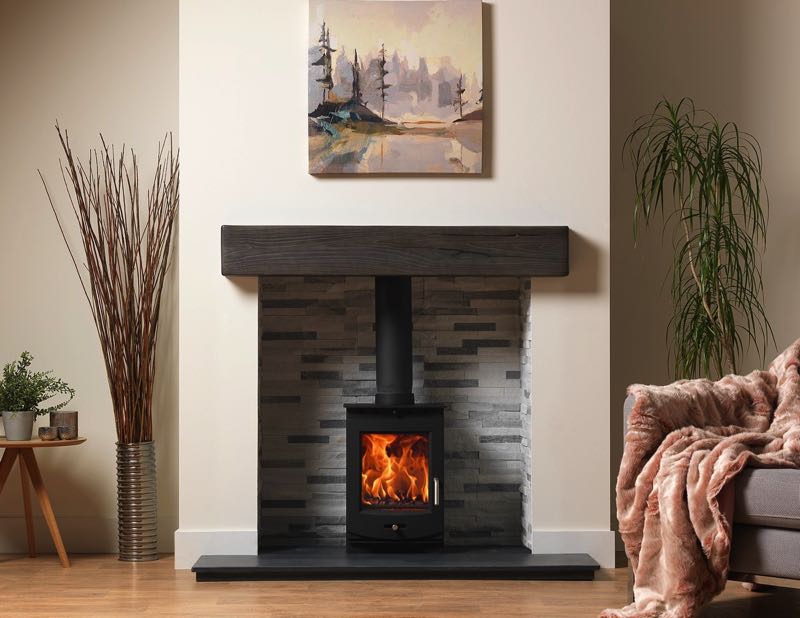
The key to successful DIY wood stove installation is proper planning and understanding UK Building Regulations, which require:
- Proper hearth construction with heat protection
- Correct clearances from combustible materials
- Appropriate flue sizing and routing
- Carbon monoxide detection
- Final inspection by a qualified professional
Think of these as a safety roadmap, not obstacles. Spend at least a week planning before purchasing anything. You’ll need basic hand tools, a drill, possibly an angle grinder, and safety equipment. Most fathers already own 80% of what’s required.
Safety cannot be overstated. Working with fire and structural modifications demands absolute attention to safety protocols.
The Installation Journey: A Weekend Well Spent
My installation took place over a long weekend in October. Friday evening: final preparations and reviewing the manual.
Saturday: hearth preparation using fire-resistant materials like natural stone or specialized hearth boards. The work is methodical rather than difficult. My son proved invaluable, helping with measurements and tracking components. Next came stove positioning. Modern wood stoves are heavy (ours weighed 120kg), so help is essential. But with proper technique, positioning is straightforward.
Sunday was flue day. With quality components and clear instructions, it’s entirely manageable. Each connection must be perfect – there’s no room for “good enough” when safety is at stake. By Sunday evening, we had our stove ready for professional inspection. The sense of accomplishment was profound for the whole family.
The First Fire: A Family Moment
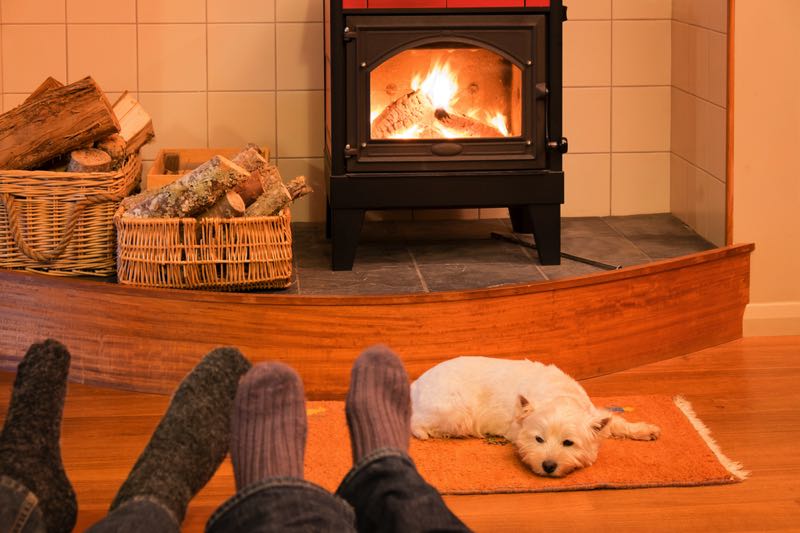
Three days later, after passing our safety inspection, came the moment we’d all been anticipating: lighting our first fire. I’d purchased seasoned hardwood from a local supplier, and as I arranged the kindling according to the manual’s instructions, both children gathered around with barely contained excitement.
That first flame sparked more than just heat. It ignited a sense of pride, accomplishment, and family unity I hadn’t expected. As we sat around our new stove that evening, hot chocolate in hand, my wife remarked that she couldn’t remember the last time we’d all sat together in the living room without electronic devices competing for attention.
Beyond the Installation: Long-term Benefits
Six months later, the benefits extend far beyond reduced heating bills:
- Environmental Impact: Burning seasoned hardwood is carbon-neutral when sourced responsibly, reducing our environmental footprint compared to gas or electric heating.
- Energy Independence: Regardless of energy price fluctuations or supply disruptions, we can keep our family warm. This self-sufficiency feels increasingly valuable.
- Family Traditions: Wood gathering became a family activity. Weekend trips to collect branches and learning about different wood types connect us to natural cycles our children might otherwise never experience.
- Life Skills: Both children now understand fire safety, combustion physics, and basic maintenance – invaluable life knowledge they wouldn’t learn in school.
Addressing Common Concerns

But what about maintenance?
Wood stoves require annual cleaning and inspection, much like a car needs servicing. It’s straightforward work that becomes routine, and doing it yourself means understanding your system completely.
Won’t it make mess?
Modern stoves are remarkably clean-burning when operated correctly. Proper technique and quality fuel result in minimal ash and virtually no smoke inside the home.
What if something goes wrong?
This is why professional inspection is crucial, and why following regulations meticulously matters. When installed correctly, wood stoves are extremely safe and reliable.
The Ripple Effect
What started as a cost-saving measure has influenced our family’s entire approach to self-sufficiency. We’ve since begun growing vegetables, learning basic carpentry, and tackling home improvements we previously would have hired out. The confidence gained from successfully completing a complex project like stove installation extends into every area of life.
My children now see challenges as opportunities rather than obstacles. When faced with problems, their first instinct is “How can we figure this out?” rather than “Who should we call?” This shift in mindset may be the most valuable outcome of the entire project.
Why This Winter Could Be Different
As another heating season approaches and energy costs continue rising, there’s never been a better time to consider taking control of your home’s heating system. Installing your own wood burning stove isn’t just about saving money – though the financial benefits are substantial. It’s about providing for your family in the most fundamental way, teaching valuable skills to your children, and reconnecting with the satisfaction of practical work well done.
The project requires commitment, careful planning, and absolute attention to safety. But for fathers willing to invest the time and effort, the rewards – financial, educational, and emotional – are extraordinary. This winter, while your neighbors worry about heating bills, you could be gathering around your own fire, knowing you created this warmth and comfort with your own hands.
Your family deserves that security, that pride, and those memories. And you have the capability to provide all three. The only question is: are you ready to begin?